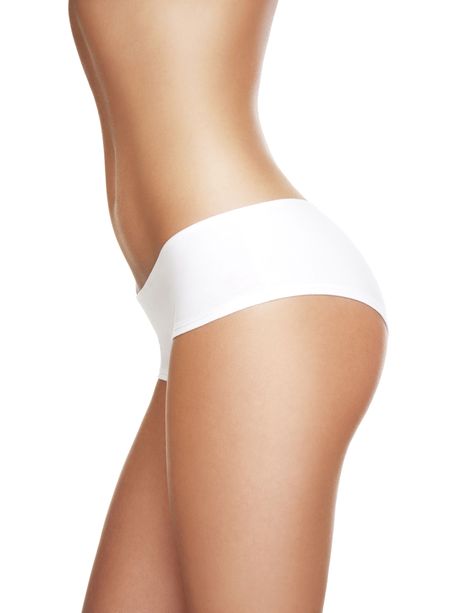
How will an Abdominoplasty (Tummy Tuck) benefit me?
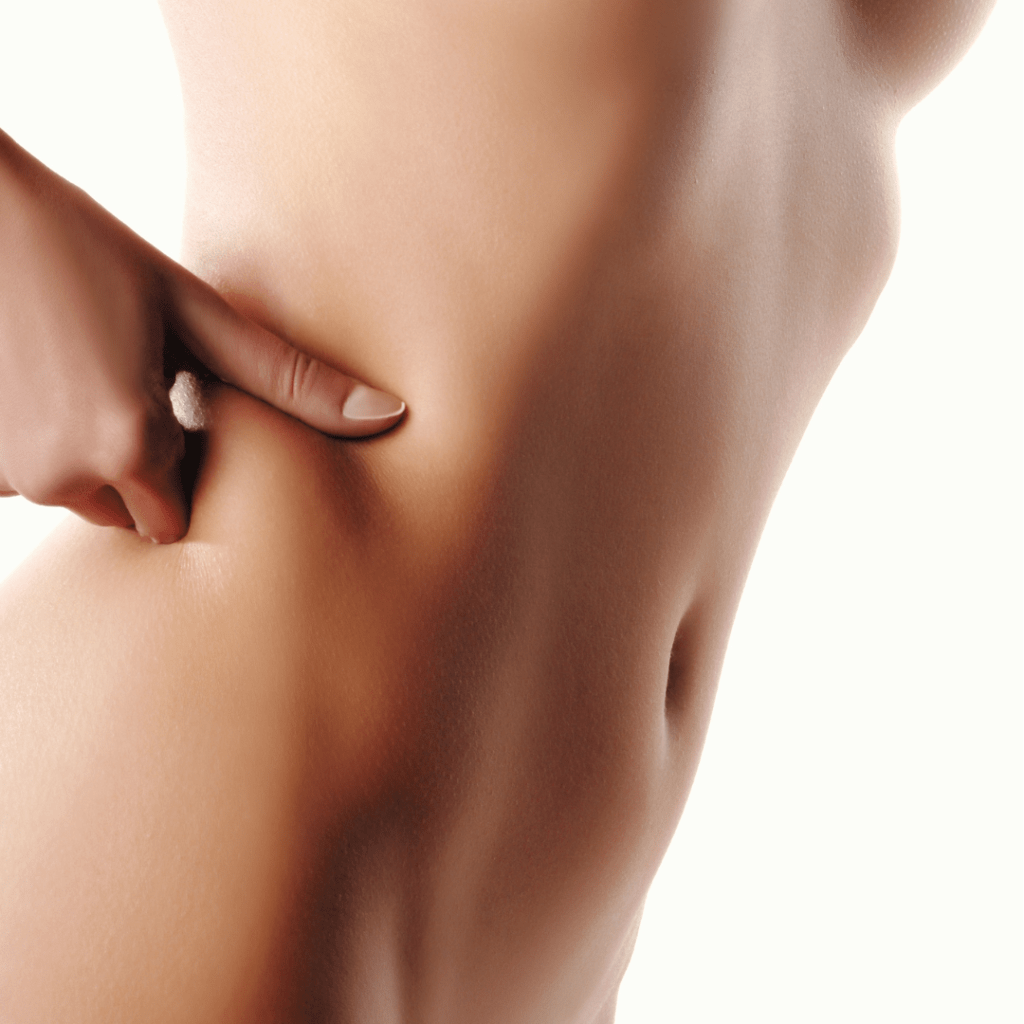
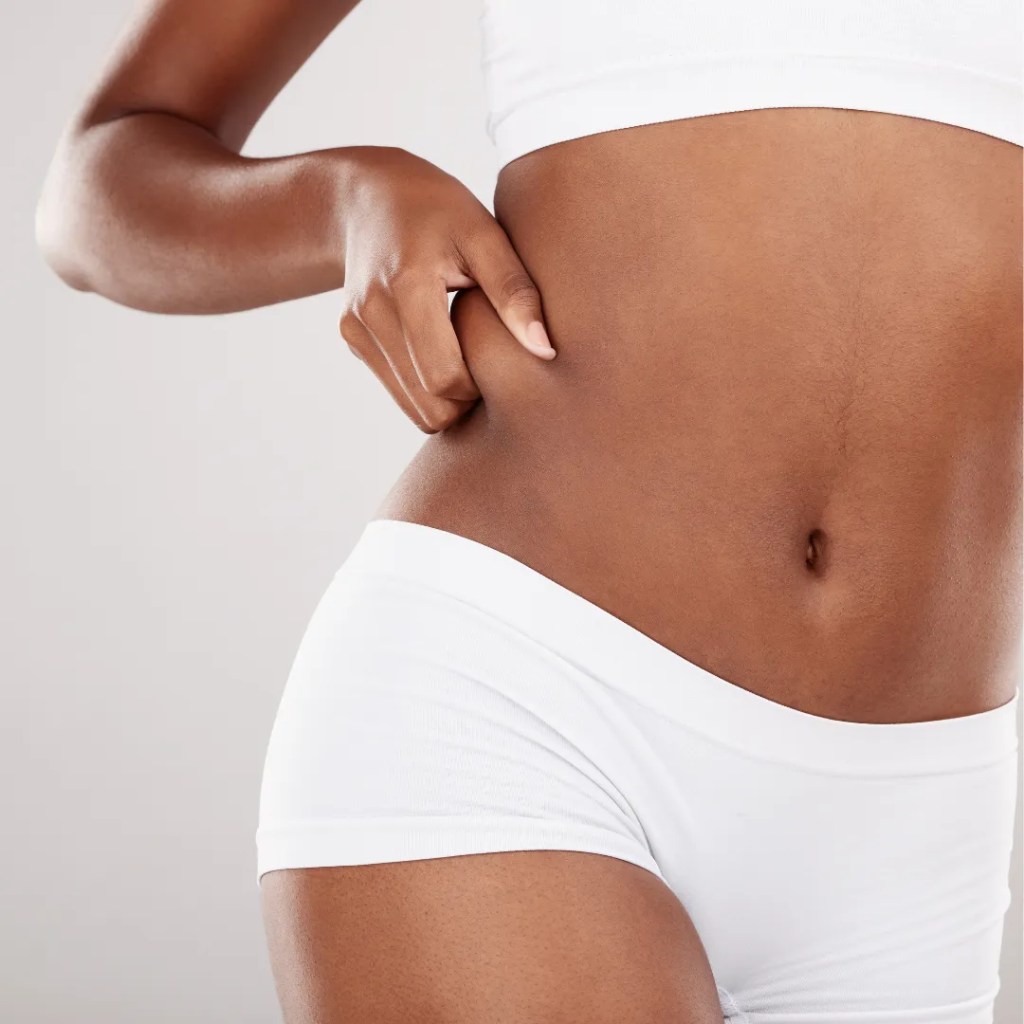
Many strive for a flat, toned abdomen through diet and exercise, but sometimes these methods aren’t enough. Even individuals at a healthy weight can experience loose, sagging abdominal skin due to ageing, heredity, pregnancy, prior surgeries, or significant weight fluctuations.
Also known as abdominoplasty, a tummy tuck removes excess fat and skin, tightens underlying fascia to restore weakened or separated muscles and repositions the belly button (umbilicus). By creating an abdominal profile that is stronger and firmer, core strength is improved.
However, it’s important to note that a tummy tuck is not a substitute for weight loss or exercise, and its results can be diminished by future weight changes. Those planning significant weight loss or future pregnancies should consider their timing carefully. While a tummy tuck can’t directly correct stretch marks, some may be improved or removed if located on the lower abdominal skin that is being excised.
A tummy tuck is a more invasive procedure than simply suctioning fat, since Rozina needs to make an incision below the belly and lift all the excess tissue, use the access to tighten your abdominal muscles, then redrape the tissue more tightly over the abdomen and cut away the excess. As a result, you should expect longer recovery times and longer but well-hidden scarring.
While liposuction and tummy tuck procedures are both great on their own, many patients choose to combine them and sculpt a waist or more taut flanks. Depending on your areas of concern and what areas you’re looking to correct, it might make sense to have both procedures completed as a single procedure. Dr Rozina Ali will be happy to guide and advise on the best treatment plan to achieve your goals.
Dr Rozina Ali rarely but occasionally offers the reverse abdominoplasty, or upper abdominal lift, procedure, which can smoothen and tighten the upper abdomen by addressing excess skin and tissue located under the ribcage.


Who would benefit from an Abdominoplasty (Tummy Tuck)?
Individuals who would benefit from an Abdominoplasty (tummy tuck) are those who have excess abdominal fat and skin that does not respond well to diet and exercise, for example following significant weight loss or multiple pregnancies. The issue is no longer muscle or fitness, simply too much tissue or excess inelastic, stretch-marked skin.
How an Abdominoplasty (Tummy Tuck) is performed
The Consultation
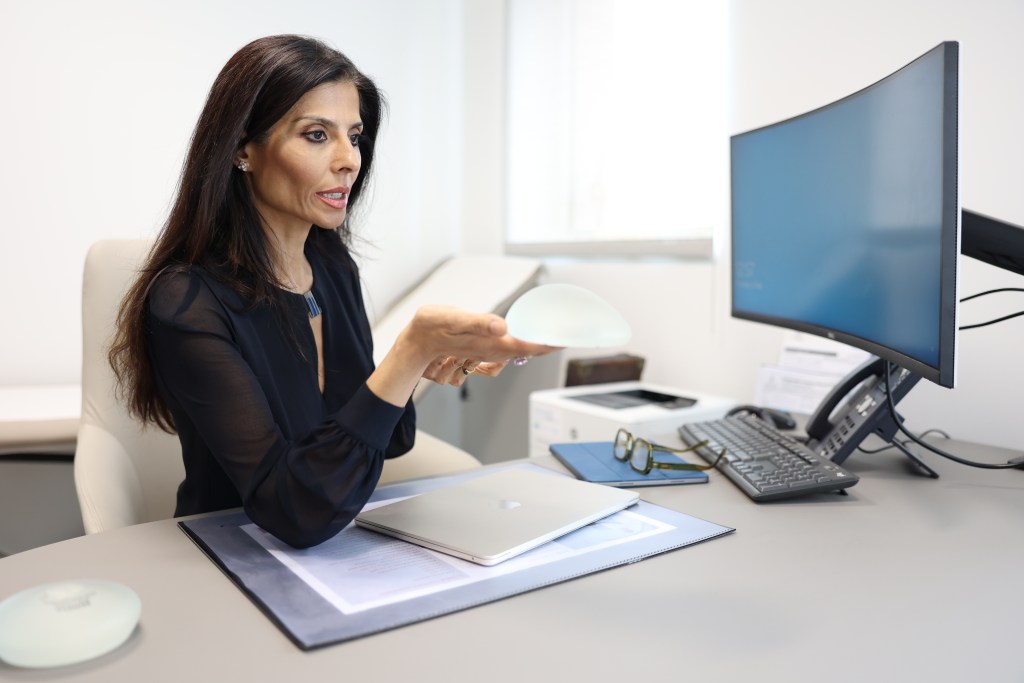
The success and safety of your tummy tuck largely depend on your openness during the consultation. Dr Rozina Ali will talk to you about the Abdominoplasty procedure during detailed consultation in her Kensington clinic. You’ll be asked several questions about your health, lifestyle, and goals. We are keen to share your lifestyle aims, and find out more about any medical conditions, allergies, treatments, current medications and of course alcohol, tobacco and non-prescribed drug use. During the consultation, Dr Ali will assess your general health and any risk factors, take photographs, discuss your options, and recommend a treatment plan. She will also explain the likely outcomes, potential risks, and complications associated with the procedure.
Your Treatment
A full tummy tuck requires a low but wide incision in a natural crease below your belly, at or above the pubic hairline. Once the anterior abdominal wall is lifted, the underlying weakened abdominal muscles are repaired by oversewing the firm facia holding them together. A second incision around the navel is required to leave the umbilicus (belly button) in place whilst excess skin in the upper abdomen is mobilised and moved down. The entire anterior abdominal wall is redraped downward and inwards and all excess skin and fat is removed and weighed. The remaining defect is closed in multiple layers over drains to redirect any fluid or blood. A new opening for your original belly button is created and the belly button is popped through to the surface and sutured into position.
Your Aftercare
Following your surgery, dressings are applied over the incisions, and an abdominal binder or compression garment is provided to minimise swelling. The binder offers support, it is not a restrictive corset and simply supports your abdomen muscle and overlying skin in the correct position as it heals. Drains are the small, thin tubes temporarily placed under the tissues to drain any excess blood or fluid that may collect.
Post-surgical recovery often requires 2-3 weeks of rest and light activity before returning to work. A return to moderate strenuous activity can take several weeks and full activity takes up to 3 months, at which point muscles and incisions have both fully healed. The scar is still modulating but is strong.
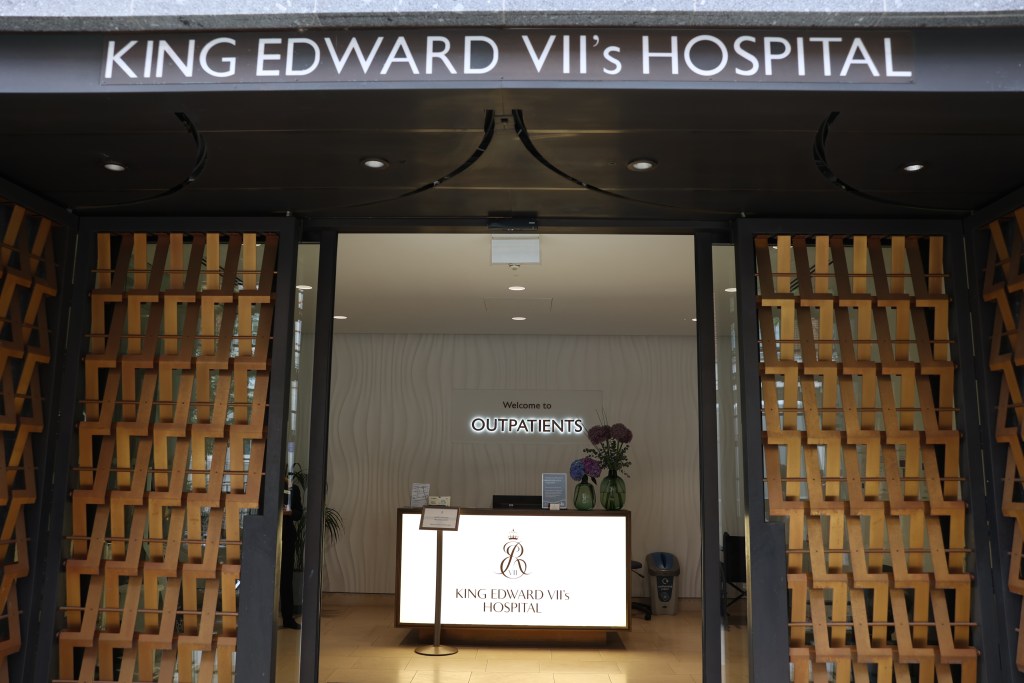
Where will the treatment take place?
With operating facilities in such prestigious locations as King Edward VII hospital and the Weymouth Street hospital in Marylebone, the heart of London’s Harley Street medical district, you can be assured of expert and responsive surgical care. Wound checks and outpatient visits are offered in both Marylebone and Kensington around several sites in the sumptuous Royal Borough of Kensington & Chelsea. The Rozina Ali Clinic offers best in class, Kensington based, bespoke aesthetic treatments tailored to your individual needs. or excess skin above the navel and/ or who wish to flatten and tighten the upper abdominal area.
Abdominoplasty (Tummy Tuck) Costs
For full costs of Abdominoplasty (Tummy Tuck), please contact Dr Rozina Ali’s Kensington clinic by email practice@rozinaali.com or call 0207 000 3140 or contact us via the form below.