



Introduction
Dr Rozina Ali is an early advocate and pioneer in the use of regenerative mechanisms in her aesthetic practice. As a female plastic surgeon at the forefront of regenerative aesthetics, she bridges advanced science with artistic vision to deliver natural, enduring results.
Polynucleotides are a versatile solution to help improve skin elasticity, texture, and tone, making them an excellent option for addressing signs of ageing, fine lines, skin laxity, sagging skin and reduced elasticity. As a biostimulatory aesthetic treatment, they work by stimulating the skin’s own repair and renewal mechanisms, enhancing hydration and collagen production, rather than simply adding external volume.
Additionally, they have anti-inflammatory properties that can aid in skin healing and restoration. Delivered through targeted injections, they offer a safe and effective way to achieve natural-looking results without relying on synthetic substances. These treatments deeply hydrate the skin, improve elasticity, and restore a radiant, healthy glow, helping to rejuvenate and enhance your skin’s natural vitality.
What are Polynucleotides?
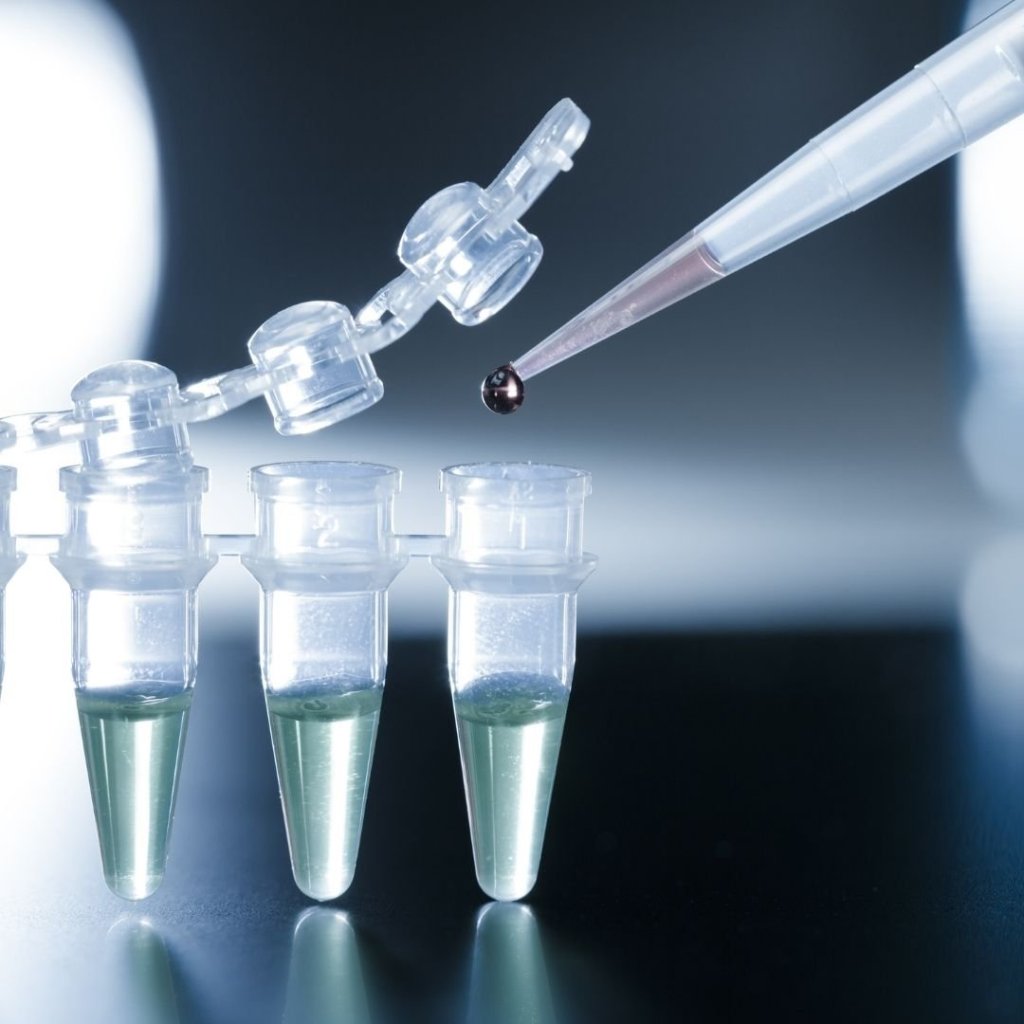
Polynucleotides are naturally occurring biopolymers derived from DNA that are gaining popularity in aesthetic medicine for their regenerative and revitalising properties. These powerful molecules work by stimulating the skin’s natural repair processes, promoting collagen production, antioxidant function and enhancing tissue hydration.
Polynucleotides offer an innovative approach in aesthetic medicine aimed at rejuvenating and revitalising the skin. Polynucleotide treatment involves the use of DNA fragments derived from salmon sperm to promote skin regeneration and collagen production. These DNA molecules stimulate fibroblasts, which are responsible for producing collagen and elastin, leading to improved skin texture, firmness and overall quality. They also exert a powerful antioxidant effect and help with skin discolouration.
Polynucleotides are injected into the tissues at every level from bone deep to immediately under the skin, where they interact with multiple cell receptors, triggering a series of reactions that play a key role in tissue repair. One of their most significant effects is attracting stem cells to the treated area, promoting strong regenerative benefits and encouraging the formation of new blood vessels (angiogenesis). Additionally, polynucleotides restructure fibrils within the tissue, leading to immediate tightening and contouring while aiding the transformation of fibroblasts into myofibroblasts. This process stimulates collagen production, delivering a powerful lifting and revitalising effect suitable for all skin types.
Within facial aesthetics, polynucleotides are valued for their ability to enhance skin tone and texture while preserving a patient’s natural expression.

What areas can be treated with Polynucleotides?
Common treatment areas include the face, neck and décolletage, helping to tighten and smooth these delicate areas. They are also effective for the under-eye region, reducing dark circles and puffiness while improving skin texture. For delicate periorbital skin, a polynucleotide under eye treatment offers a regenerative alternative to traditional anti wrinkle injections, restoring hydration and elasticity while brightening the area naturally.
Hands can benefit from polynucleotides by regaining hydration and a youthful appearance, while larger body areas such as the arms, thighs, and abdomen can be treated to improve stretch marks, scars, and skin elasticity. Polynucleotides work effectively anywhere the skin needs hydration, regeneration, or enhanced elasticity. They can be used as part of a broader facial rejuvenation plan, and may be combined with other treatments where appropriate.
Who would benefit from Polynucleotides?
Polynucleotide treatments are ideal for individuals seeking to improve skin quality, restore hydration, and address early or advanced signs of ageing. People with acne scars, stretch marks, or skin damaged by environmental factors like sun exposure can also see significant improvements. Polynucleotides are suitable for a wide range of skin types and ages, making them an excellent option for anyone looking to rejuvenate their skin naturally.
YOUR JOURNEY WITH POLYNUCLEOTIDES

The Consultation
The consultation process for a polynucleotide treatment is personalised to you and is essential to ensure the best possible results. During the polynucleotide treatment consultation, Dr Rozina Ali will assess your skin’s condition and discuss your specific concerns and goals. She will review your medical history to confirm the treatment is safe and appropriate for you. Dr Ali will provide a detailed explanation of how polynucleotides work, what the treatment involves, and the expected outcomes. This is an ideal time to ask any questions or concerns you might have to inform a tailored treatment plan.
Your Polynucleotide Treatment
Polynucleotide treatments are performed through a series of precise, minimally invasive injections designed to deliver the powerful regenerative formula directly into the targeted skin layers. Before the procedure, the treatment area is cleansed, and a topical numbing cream may be applied to ensure your comfort. Using fine needles, the polynucleotide solution is injected into specific areas to stimulate cell repair, collagen production, and hydration. The process is relatively quick, typically taking around 30 to 40 minutes depending on the treatment area. Afterward, you may experience mild redness or swelling, which usually subsides within a few hours to a couple of days.


Your Aftercare
After your treatment, it’s important to follow specific aftercare guidelines to ensure optimal results and healing.
Avoid applying foundation or creams to the treated area for at least 6 hours, and refrain from strenuous exercise, hot tubs, and alcohol for the first 24 hours. Steer clear of saunas, tanning booths, and heat-based treatments like radiofrequency, IPL, or lasers for two weeks. Always protect your skin with a broad-spectrum SPF 30 or higher. To minimize bruising, consider taking oral bromelain (pineapple extract) and arnica or applying arnica cream. You’ll notice improvements in skin quality, hydration, and texture as swelling subsides, but it may take 3–7 days to see the full effects of the bio-revitalization and collagen stimulation. 1-2 serial follow-up treatments are crucial for achieving the best results.
Where will the treatments take place
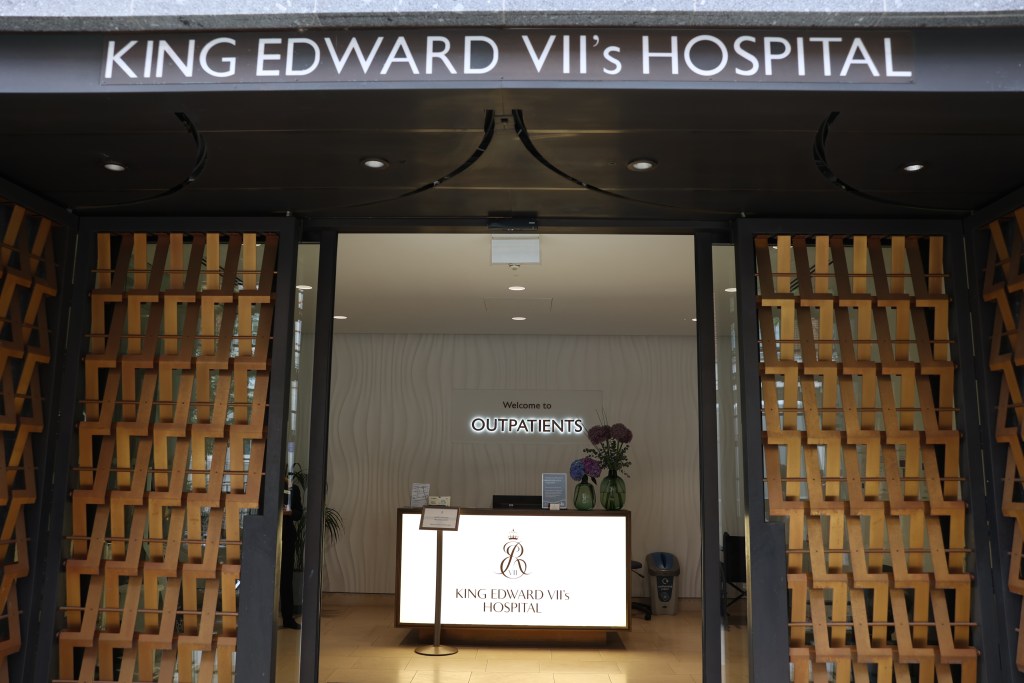
With operating facilities in such prestigious locations as Harley street, South Kensington, King Edward VII hospital and the Weymouth Street hospital in Marylebone, you can be assured of expert and responsive surgical care. Wound checks and outpatient visits are offered in both Marylebone and South Kensington in the sumptuous Royal Borough of Kensington & Chelsea. The Rozina Ali practice offers best in class bespoke aesthetic treatments tailored to your individual needs.

Polynucleotides costs
For accurate and detailed information contact Dr Rozina Ali on practice@rozinaali.com or call 0207 000 3140 or contact us via the form below.