


Introduction
Dr Rozina Ali’s practice is not so much anti-ageing as pro-ageing – she believes in ageing well. The natural deterioration of ageing will start earlier than it is noticed. It begins in your 20’s but the early effects may not be visible until your 30’s. The beauty of aesthetics is that products, technologies and surgery can all be used to address a wide variety of facial conditions. Problems including sagging skin, pigmentation, wrinkles and volume loss can all be addressed to help rejuvenate and restore a more youthful appearance.
Lips and Lips Lines
Over time, lips will age. They lose hydration and become dry, lose volume, and become thin or inward turning. The tissues around the lips thin and become less supportive, so that vertical lines (the barcodes) appear around both lips, especially the upper lip.
As dentition and bone structure fails, the lower face can retrude and the skin of the upper lip lengthens as muscles around the mouth elongate and slacken as tissue quality deteriorates. Marionette lines also deepen, and the corners of the mouth may turn down making you appear sad.
Thin lips, however, are not always due to the ageing process. Our genetics also determine lip height, length, projection, width, and proportions of the upper and lower lips. Some naturally will have thinner lips than they would wish for, and it is how we perceive our own looks or the response to our appearance that drives the desire for intervention.
Dr Rozina Ali can recommend the most suitable treatment approach for achieving fuller, more youthful lips and improving lip lines. These might include lip fillers (Dermal Fillers) to add volume and enhance the shape of thin lips, Botulinum Toxin injections to relax the muscles around the lips, or microneedling to stimulate collagen production and improve skin texture around the lips.


Volume Loss
Facial volume loss is a result of the deterioration of dermal collagen and elastin. As the fat pads deflate, they sag, flattening the cheeks and deepening the nasolabial folds. That is why smiling, which elevates the fat pads back to their original higher position, is so rejuvenating.
Sagging skin, premature jowling, gaunt cheeks and turkey neck are all examples of unwelcome volume loss around the face and neck. Other signs include hollow, sunken eyes, deepening nasolabial lines (nose to mouth) and marionette lines (mouth to chin).
Dermal fillers can add volume and lift to affected areas of the face. Botulinum Toxin injections into the masseter muscles of the jaw can reduce their size, creating a more contoured appearance and improving overall facial balance. Polynucleotides can also promote the regeneration of skin cells and stimulate the production of collagen and elastin, which helps to restore skin density and firmness.
Weak Chin/Jawline
With ageing comes a ‘squaring off’ of the face, this early jowling can be seen initially as fullness of the sides of the mouth, a deepening marionette line and breaking up of the smooth contours of the jawline.
With time more jowling develops. The culprit is normally fat herniation due to stretching of the tight ligaments between bone and skin, deflation and sagging of the fat compartments and decrease in quality and quantity of collagen such that the skin becomes less firm or elastic. This, accompanied by the natural forces of gravity, causes the skin and subcutaneous tissue to descend on either side of the mouth.
To address a weak chin or undefined jawline, several aesthetic treatments and procedures can be considered. Hyaluronic acid-based dermal fillers can be strategically injected into the chin or jawline to enhance projection and improve definition. For more permanent and substantial results, a chin implant can be surgically placed to augment the chin and improve jawline definition. In cases where excess skin or sagging is contributing to a weak jawline, a neck lift procedure can be performed to tighten the skin and improve the jawline contour.

Deflated Skin
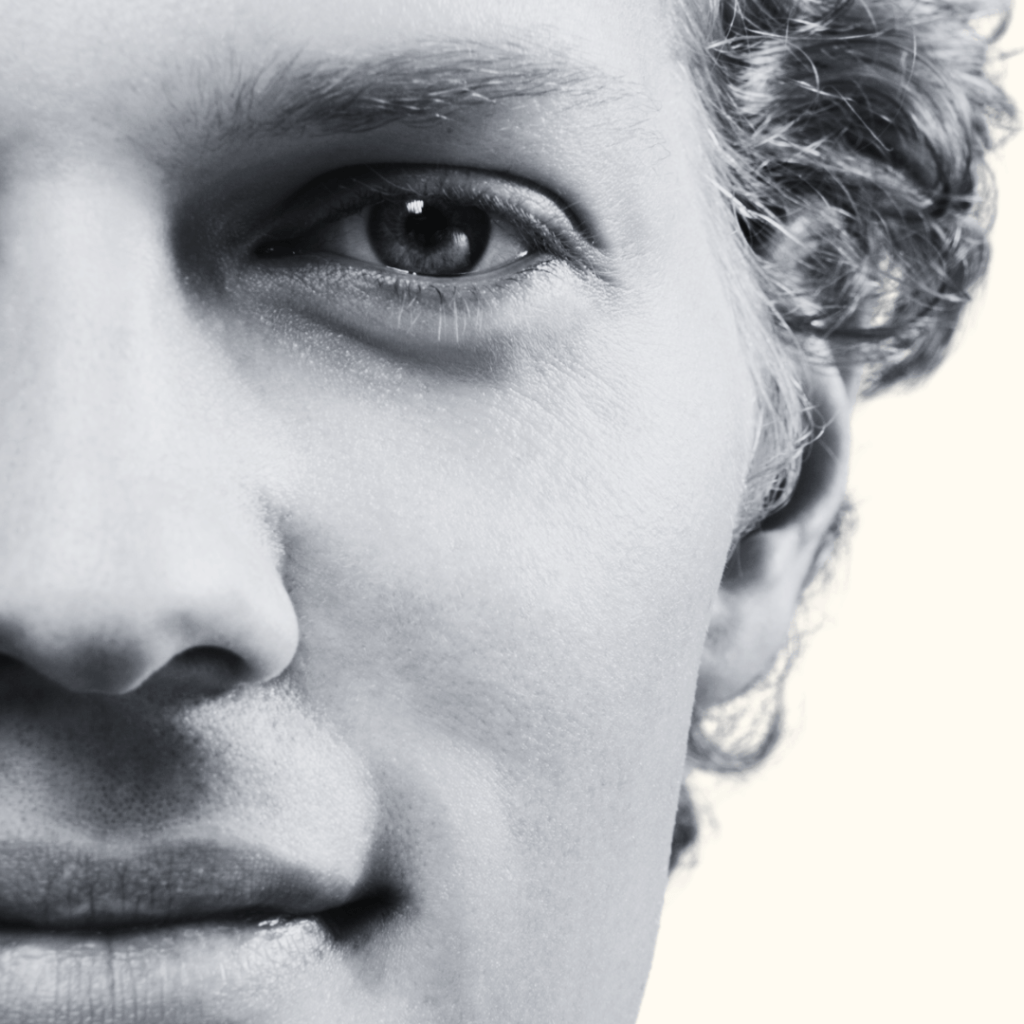
Dr Rozina Ali has long held that “Fat is the future” and has been using concentrated, purified fat to practice facial rejuvenation for over a decade. Fat transfer may be used to add volume to some areas of the face (temples, cheeks), but often the stem cell component of fat transfer is used to enhance skin quality, soften creases and wrinkles and enhance the luminosity of the skin.
Cellenis natural PRP filler is the latest innovation in using your own stem cells and plasma to devise a natural viscous filler to re-inflate facial volume, deep lines and wrinkles by both adding volume and stem cells to tighten tissues.
Lines and Wrinkles
All tissues rely upon the quantity and quality of collagen (protein structure), elastin (elasticity) and glycosaminoglycans (hydration) as well as underlying bone/dentition, strong supporting muscles, and tight ligaments to hold tissues in place. As we get older, all these factors diminish in quantity or quality such that the skin’s structure and the underlying facial components (fat pads, fascia, muscles, ligaments) slacken and begin to sag. Skin begins to dry out and lose its ability to snap back to its original form, leading to the development of lines, wrinkles, and folds.
Dr Rozina Ali offers a comprehensive and considered recommendation of both surgical and non-surgical treatments as well as skincare to ensure multiple tissue layers are treated through various modalities.
Technologies and surgery can be used to reverse the effect of ageing. Injectables and products to pause ageing and skincare to slow down the effects of photo-ageing. Exosomes can be used TOPICALLY (on top of skin) or microneedled deeper into dermis, they are a harvested concentrate of intracellular communication molecules and DNA that promote collagen synthesis, enhance cellular activity and turnover and can restore damaged skin as well as rejuvenate ageing skin.
Additionally Polynucleotides can be used to address lines and wrinkles by promoting cellular regeneration and improving skin elasticity, which helps to smooth and rejuvenate the skin.
Droopy Brows
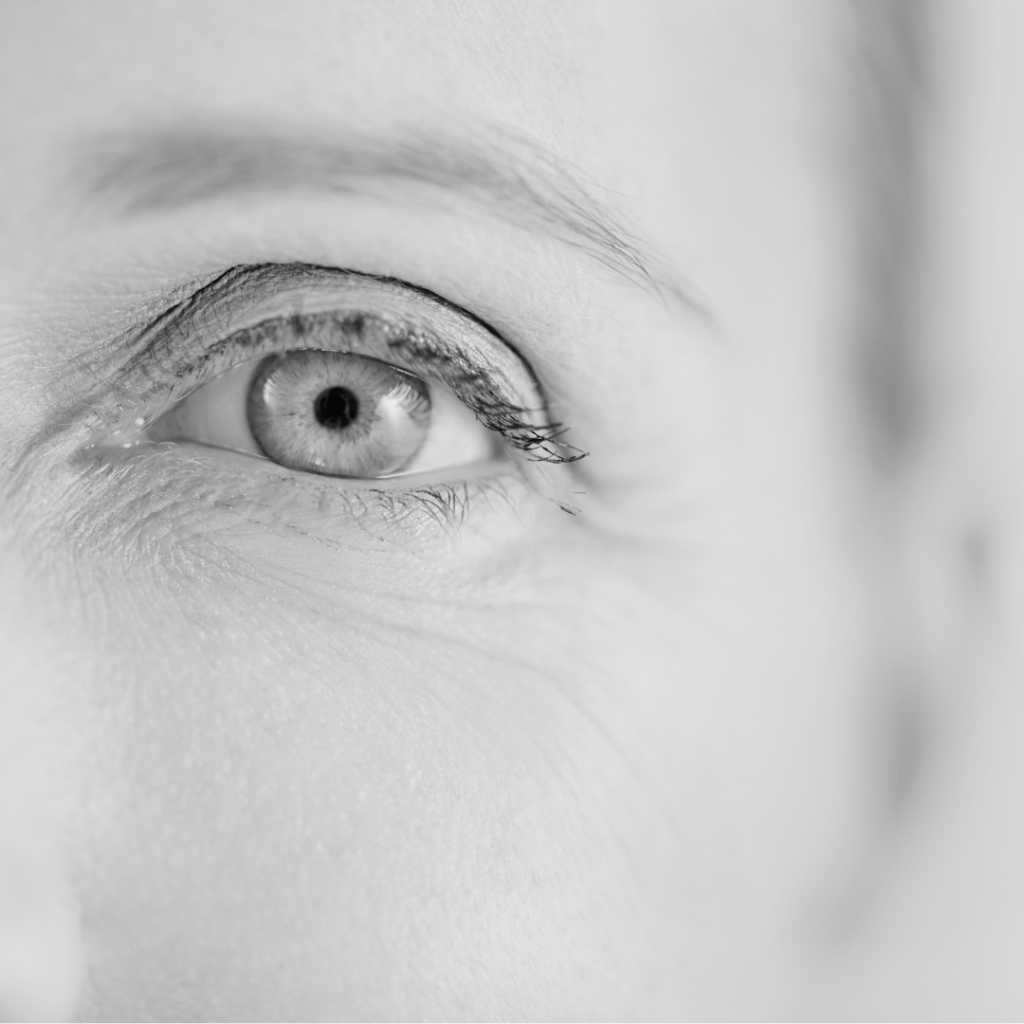
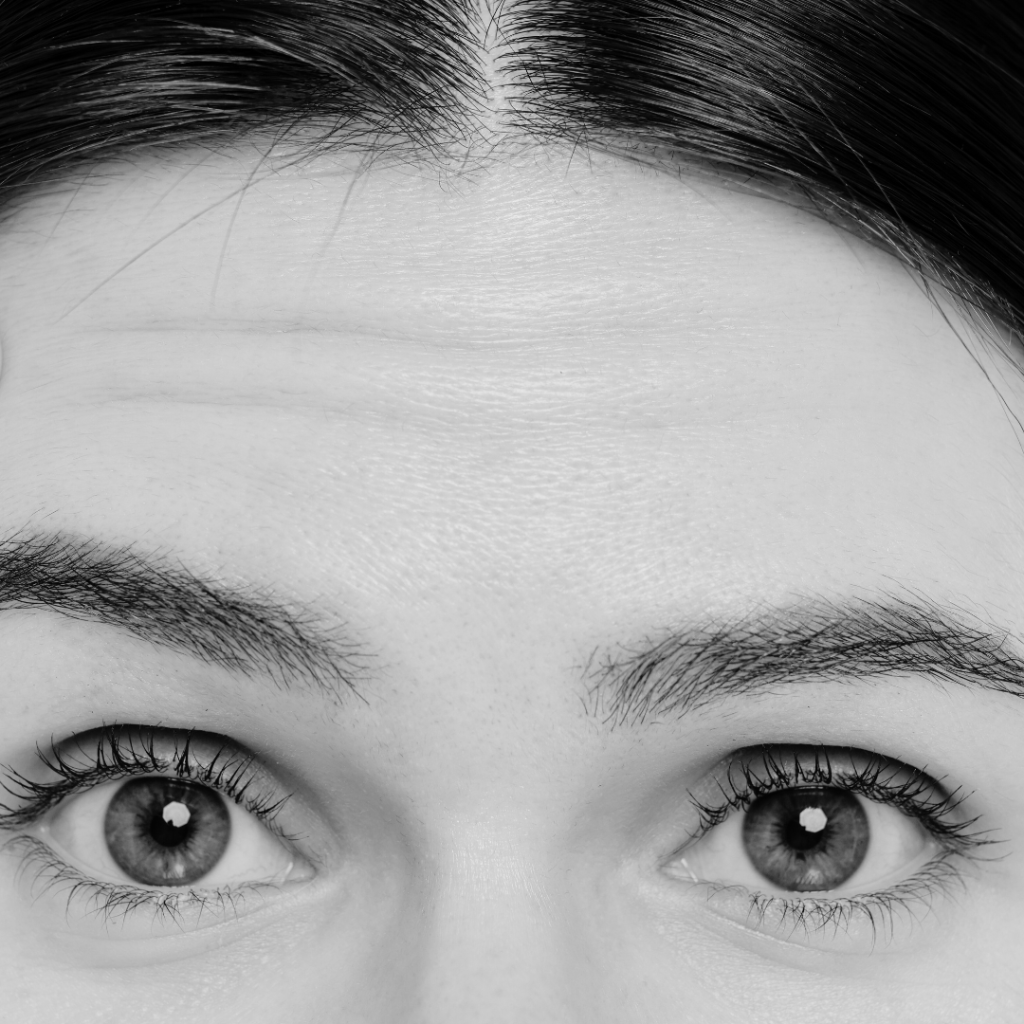
With age, the fatty cushion around the globe of the eye deflates and protrudes or is pressured into forming eyebags. As ageing skin loses elastin and collagen, creases, wrinkles, and lines appear. Fallen brows or brow ptosis is caused by the effects of gravity, loss of elastin and collagen and weakened forehead muscles, causing the eyebrow to fall and exacerbate any excess upper eyelid skin.
Treatment options can range from the minimally invasive, such as Botulinum Toxin injections to relax the specific muscles that pull the brows downward and injectable dermal fillers to add volume and lift to the brow area, to surgical solutions such as brow lift surgery and eyelid surgery (Blepharoplasty). Polynucleotides such as Ameela thickens and restructures the thin tissue around the eyes. It helps hydrate and thicken the under-eye tissue and diminish the appearance of eyebags and superficial wrinkles by effecting skin tightening and reduce dark circles due to its viscosity and antioxidant properties.
Enlarged Pores
The purpose of the skin’s pores is to allow for secretion of essential oils required to keep the skin supple and waterproof. When the pores become noticeably visible it is usually the result of the accumulation of excess sebum in the sebaceous glands, combining with dead skin cells to cause a blockage. If this blockage prevents the natural secretion of essential oils, the pores lose elasticity and become wider and more pronounced, which can then lead to other concerns including blackheads and infected pimples.
When the ageing process contributes to enlarged pores, the dermal elements that surround the hair follicle (or pore) become compromised as the structure of the skin is less supportive, also contributing to the follicular canal (follicle) expanding.
Collagen induction treatments (microneedling) help to tighten and resurface the skin, reducing the appearance of enlarged pores by inducing the skin cells to make more healthy new skin with increased collagen and better-quality elastin. Recreating underlying contours by skin tightening or Facial filler will also help light reflect more evenly. Exosomes could also be a good option to treat enlarged pores by delivering growth factors and signalling molecules that promote skin cell regeneration and balance sebum production. This helps to tighten the skin and reduce pore size, leading to a smoother complexion.

Dark Circles and Deep Tear Troughs
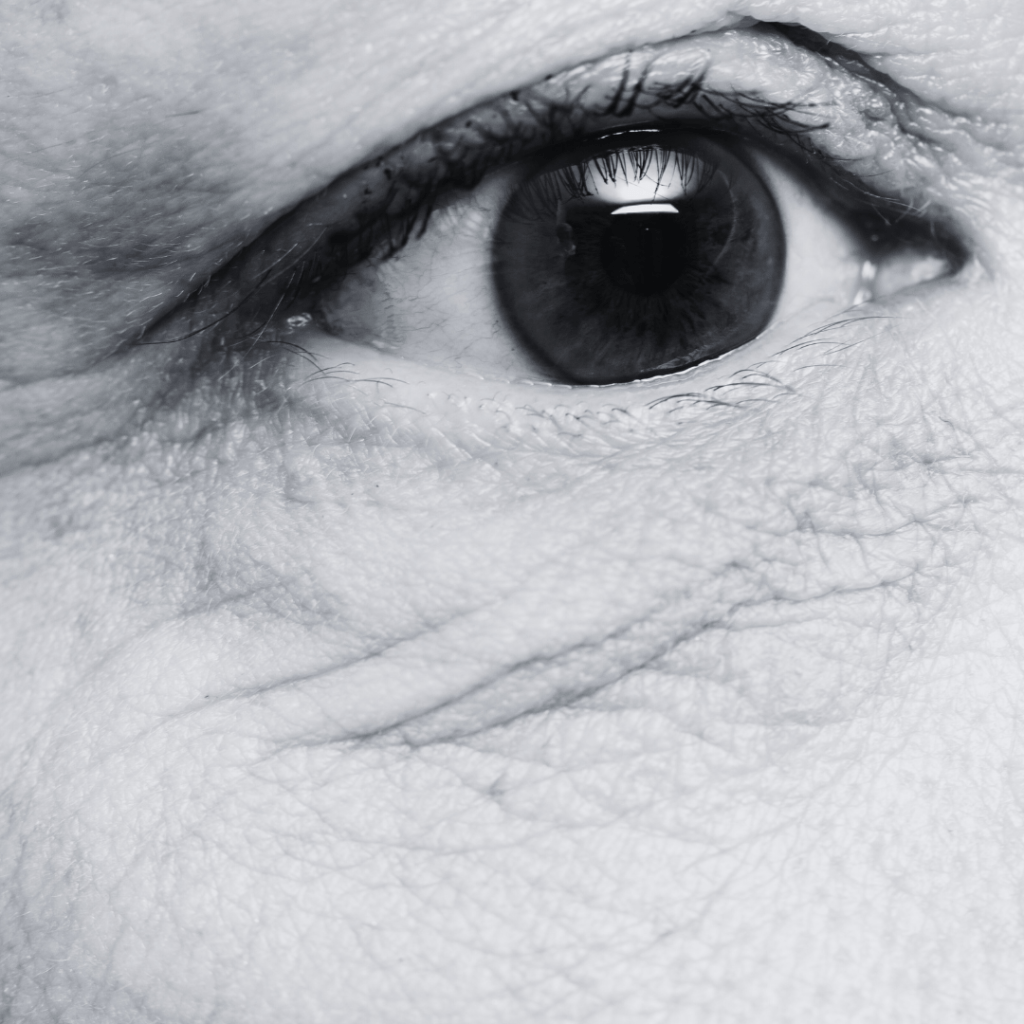
One of the less favourable signs of facial ageing is discolouration and darkening of the lower eyelid as dark undereye circles. This can be due to any number of reasons including skin colour, genetics, the translucent thinness of the skin, bulky dark underlying muscles, rich blood supply beneath the skin or haemosiderin deposition.
The skin around the eyes is much thinner than that of the rest of the face. Therefore, blood vessels are more noticeable and can give the appearance of darkness or shadows beneath the eye. As skin begins to thin with age, this undereye darkness can become even more marked. A deepening tear trough is also very ageing and exacerbated by lack of sleep, allergies, fluid retention and loss of collagen volume.
Dermal fillers can be used to fill in hollow tear troughs and provide volume; mild chemical peels containing ingredients like glycolic acid or lactic acid can help improve skin texture and reduce pigmentation; and microneedling, combined can stimulate collagen production and improve skin quality around the eyes. Polynucleotides can also address tear troughs by stimulating cellular regeneration and collagen production, which enhances skin thickness and elasticity in the under-eye area.
Sagging Skin
Intrinsic and extrinsic factors contribute to how your face ages and sags. Genetics and race are the most vital intrinsic factors; darker skins retain elasticity, hydration, and oils longer than Caucasian skins, which are the first to develop lines and wrinkles.
The internal processes that occur as we age sees a loss of collagen and elastin and the hydrating glycosaminoglycans; leading to poor skin quality, wrinkles, and dehydration. External factors, including environmental conditions and lifestyle habits (such as smoking and sun exposure) also contribute to the photoageing of the skin.
The most suitable treatment for sagging skin depends on factors such as the severity of sagging, skin quality, and individual goals. Certain dermal fillers can provide a mild lifting effect by improving skin elasticity and hydration; chemical peels can improve skin texture, stimulate collagen production, and tighten mildly sagging skin; and fractional laser treatments can improve skin firmness and tone by stimulating collagen production and remodelling the skin’s surface. In cases of significant sagging skin, surgical options like a facelift or neck lift may be recommended.
