


What is Breast Reconstruction?
The goal of breast reconstruction is to restore one or both breasts to a near-normal shape, symmetry, and size following injury or surgical treatments such as a mastectomy, wide local excision, lumpectomy, or radiotherapy.
This process often involves multiple procedures performed in stages and can begin either at the time of the initial surgery – immediate reconstruction- or be delayed until further treatments have been completed – delayed reconstruction.
Breast reconstruction surgery can be performed using various techniques, with the most suitable strategy for you determined through discussions with your surgeon, considering your personal preferences, your body type, and what prior therapy you have had.
Some women may opt to delay reconstruction until after cancer treatments are completed whilst others prefer immediate reconstruction at the time of their mastectomy.
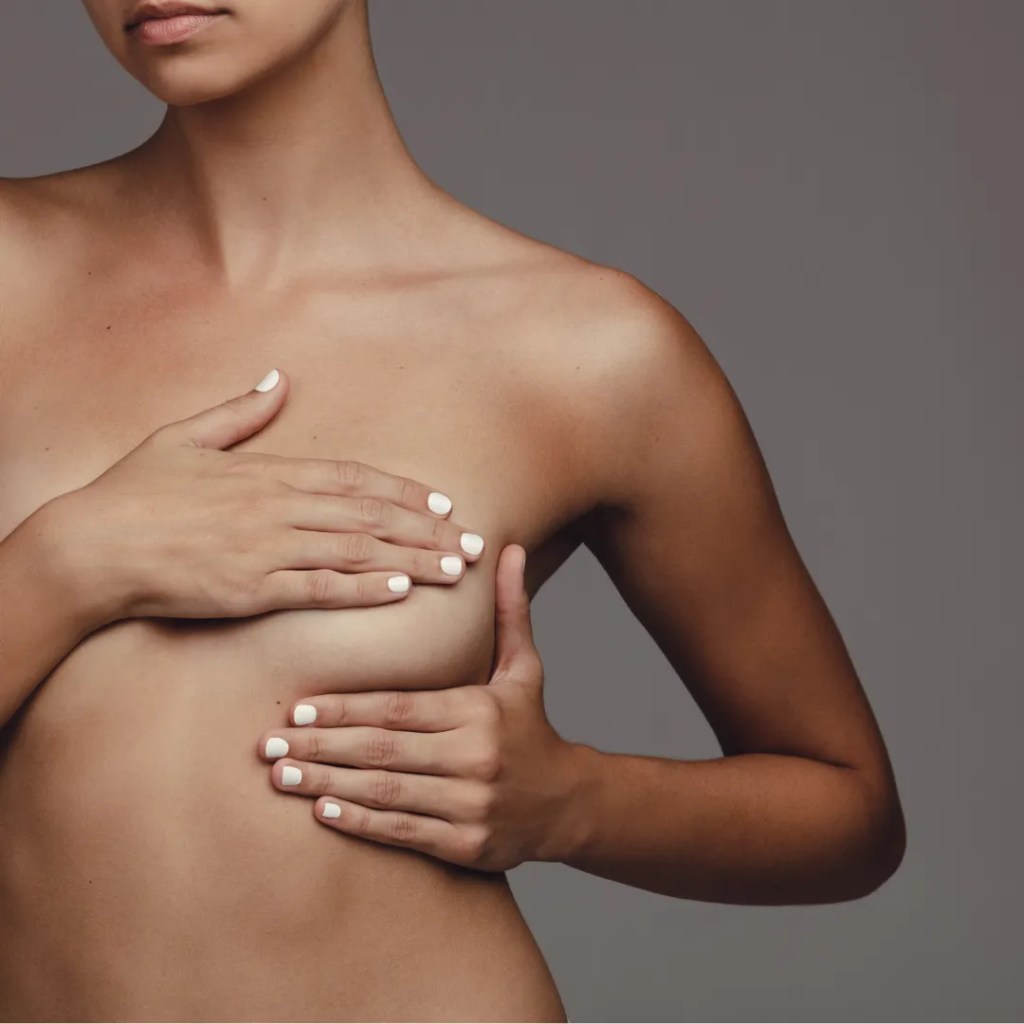
There are two main reconstruction options: implant-based reconstruction and tissue reconstruction. A variety of factors will inform the decision as to which approach to take, such as the type of mastectomy you have had, your body type and any other treatments you may have had such as chemotherapy and radiotherapy.
Implant-based breast reconstruction recreates the breast mound using implants and typically follows one of two approaches:
- Expander/Implant Reconstruction. After a mastectomy, a temporary tissue expander is placed under the skin and muscle, which is slowly expanded over time to create sufficient space for the final permanent implant. The definitive implant is selected and inserted in a second more controlled surgical procedure.
Immediate Implant Reconstruction, on the other hand, allows the implant to be placed immediately after mastectomy, not requiring the expander phase, though not all patients are suitable for this option and there may still be a need for additional surgeries.
2. Flap Reconstruction is a more intricate method for breast reconstruction that uses tissue from other parts of your body. Flaps may be local muscles or tissues from further away (abdomen, thigh), helping create reconstructed breasts that look and feel natural.
- TRAM Flap (Transverse Rectus Abdominis Myocutaneous): Uses tissue from the lower abdomen, which can also give you a tummy tuck. However, it might affect your core strength.
- DIEP Flap (Deep Inferior Epigastric Perforator): Similar to TRAM but only takes skin and fat, leaving the muscle intact. This usually means better core strength and a smoother recovery.
- Latissimus Dorsi Flap: Involves taking tissue from your upper back, including skin, muscle, and fat, which is then moved to the chest. Often, an implant is needed for added volume.
- Other Options: Tissue can also be sourced from the thighs or buttocks, depending on your body type and personal choice.
Who would benefit from Breast Reconstruction?
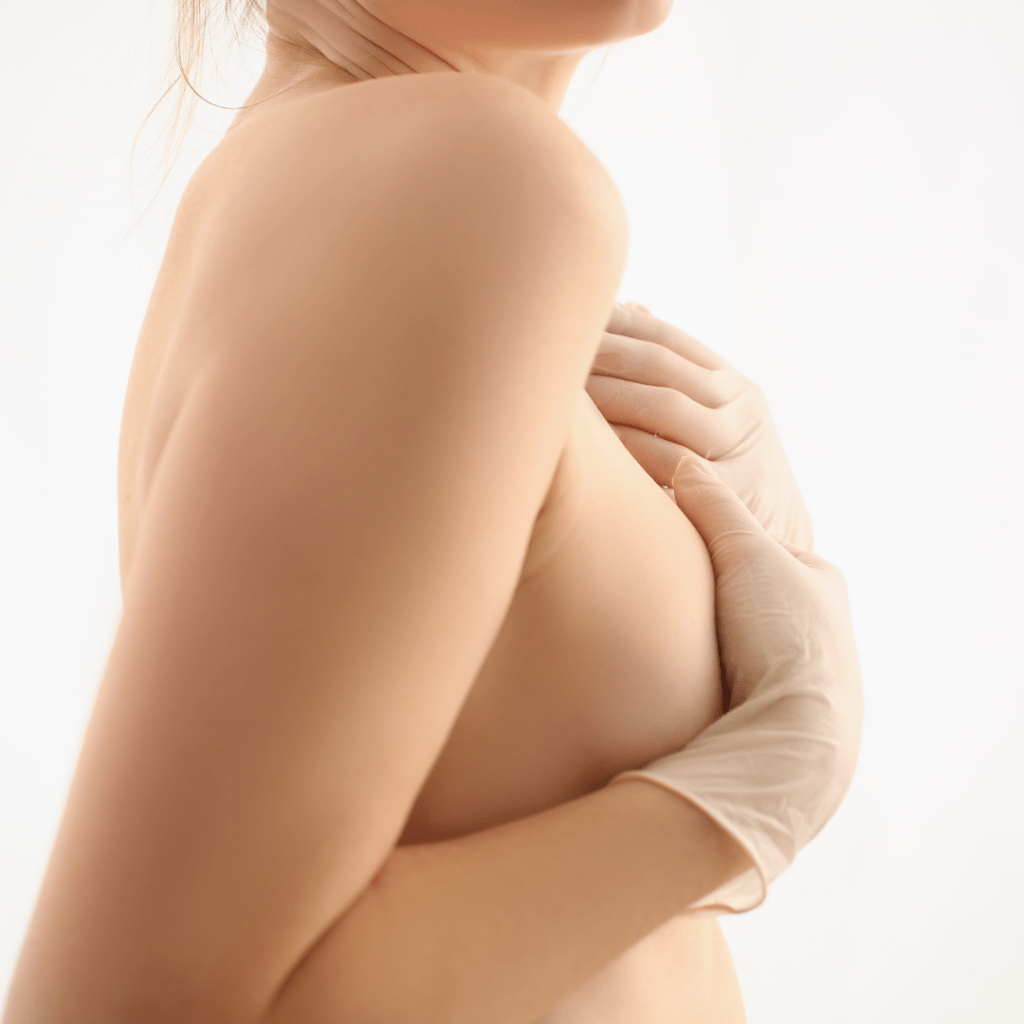
Women who have undergone either a partial removal of the breast (lumpectomy, quadrantectomy, wide local excision), or the removal of one or both breasts (mastectomy) due to treatment for breast cancer or increased genetic risk, may be suitable for double mastectomy with reconstruction.
How a breast reconstruction procedure is performed
The Consultation
During your consultation, Dr Rozina Ali will discuss your surgical goals with you and ask you about medical conditions, drug allergies, and any medical treatments you may be undergoing. You will also need to provide details about your current medications, vitamins, herbal supplements, as well as your use of alcohol, tobacco, and drugs, along with any previous surgeries.
Dr Ali may evaluate your general health, review any pre-existing conditions or risk factors, and examine your breasts, taking measurements of their size, shape, skin quality, and the placement of your nipples and areolas. Photographs will be taken for reference. Rozina will then start detailed discussion re your options, work with you to devise a timely treatment plan, and discuss the likely outcomes of breast reconstruction, including any risks or potential complications.


The Treatment
The choice of reconstruction technique depends on factors such as the patient’s cancer treatment plan, anatomy, and individual wishes. Breast reconstruction generally falls into two categories: implant-based reconstruction or Flap Reconstruction. Implant reconstruction relies on breast implants to help form a new breast mound. Flap Reconstruction uses the patient’s own tissue from another part of the body to form a new breast. Additionally, a technique known as ADM-assisted reconstruction can be used, where tissues in the body are supported to rebuild and grow using a special material called acellular dermal matrix (ADM). Immediate or delayed reconstruction using fat, or a combination of modalities is also possible.
The Aftercare
Breast reconstruction recovery is dependent on which procedure is performed. Overnight stay for 1 or more days in hospital may or may not be preferred. Swelling and discomfort that will need to be managed by medication and temporary drains to remove excess fluid from the surgical site may be required. Normal activities can gradually be resumed over several weeks to months, but strenuous exercise and heavy lifting will need to be limited for 10-12 weeks.

What can I expect from my recovery?
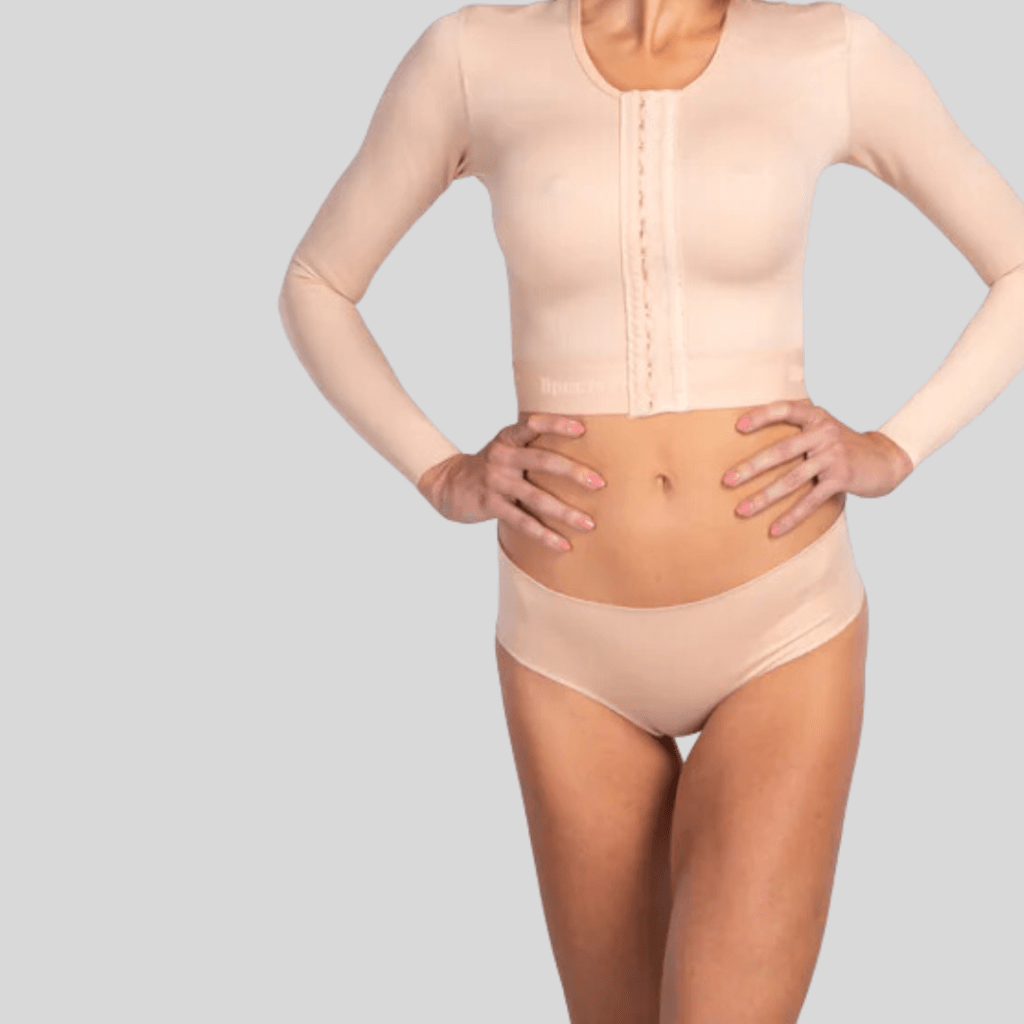
Breast reconstruction recovery is dependent on which procedure is performed. A stay in hospital may or may not be preferred. Swelling and discomfort are managed by medication and temporary drains may be required to remove excess fluid from the surgical site. Manual lymphatic drainage is strongly encouraged starting as early as the day after surgery. Normal activities can gradually be resumed over several weeks, but strenuous exercise and heavy lifting will need to be limited for the first 3 months.
Where will the treatment take place
With operating facilities in such prestigious locations as King Edward VII hospital and the Weymouth Street hospital in Marylebone, the heart of London’s Harley Street medical district, you can be assured of expert and responsive surgical care within a multidisciplinary team. Wound checks and outpatient visits are offered in both Marylebone and Kensington around several sites in the sumptuous Royal Borough of Kensington and Chelsea. The Rozina Ali Clinic offers best in class, Kensington based, bespoke aesthetic treatments tailored to your individual needs.


Breast reconstruction costs
For full costs of a breast reconstruction package please contact Dr Rozina Ali’s Kensington clinic by email practice@rozinaali.com or call 0207 000 3140 or contact us via the form below for details on breast transplant cost.